
Bloating After Every Meal? Here's What Your Body Is Trying to Tell You
Feb 10, 2026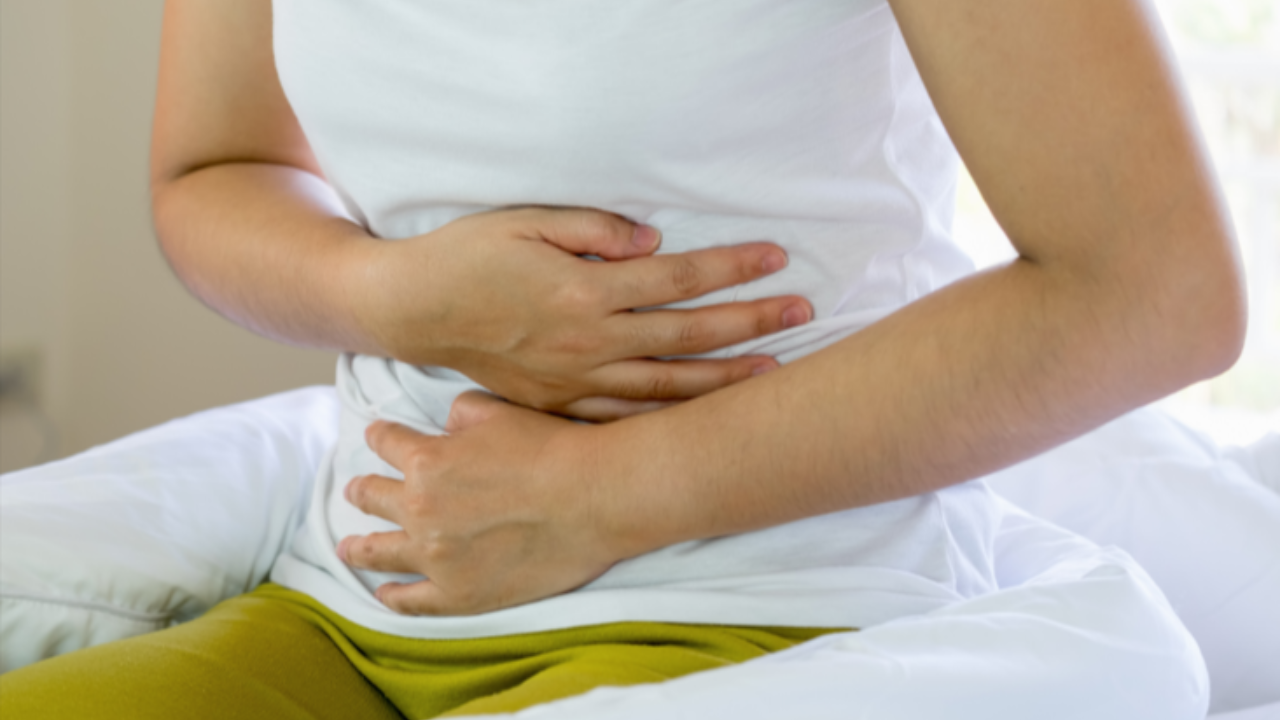
You finish lunch and within 20 minutes, your pants feel two sizes too small. Your belly distends so much that strangers have asked if you're pregnant. You feel uncomfortable, gassy, and self-conscious. By evening, you look six months pregnant even though you started the day with a flat stomach.
You've tried everything: cutting calories, eating smaller meals, avoiding "gassy" foods, taking over-the-counter digestive aids. Nothing seems to help consistently.
Here's what most people don't realize bloating isn't normal, and it's not just about the foods you're eating. It's your body's way of waving a red flag that something in your digestive system isn't working properly.
As a Functional Diagnostic Nutrition practitioner. I work with clients struggling with bloating every single day. The good news? Once we identify the root cause, bloating can be resolved - often completely.
Let me walk you through what your bloating is really telling you and how to fix it for good.
Bloating Is a Symptom, Not the Problem
Before we dive into root causes, let's get clear on something important: bloating is a messenger. It's your gut's way of saying "something is wrong down here."
When you just treat the symptoms - taking Gas-X, avoiding certain foods, or trying random probiotics - you're ignoring the message. The bloating might temporarily improve, but the underlying problem remains.
Instead, we need to investigate WHY you're bloating in the first place.
Root Cause #1: Low Stomach Acid (Hypochlorhydria)
This surprises most people, but low stomach acid is one of the most common causes of bloating, especially bloating that starts shortly after eating.
How it causes bloating: Your stomach is supposed to be highly acidic (pH 1.5-3) to:
- Break down proteins
- Kill bacteria, parasites, and pathogens in food
- Signal your pancreas to release digestive enzymes
- Trigger proper stomach emptying
When stomach acid is too low:
- Food sits in your stomach longer than it should, fermenting and creating gas
- Proteins don't break down properly, causing putrefaction
- Bad bacteria that should be killed survive and multiply
- Your pancreas doesn't get the signal to release enzymes
Common signs of low stomach acid:
- Bloating within 30-60 minutes of eating
- Feeling full quickly or food "sitting like a brick"
- Heartburn or reflux (paradoxically, this is often LOW acid, not high)
- Burping frequently after meals
- Undigested food in stool
- Brittle nails, thinning hair
- Iron or B12 deficiency despite supplementation
Why it happens:
- Chronic stress (diverts energy away from digestion)
- Age (stomach acid naturally declines after 40)
- H. pylori infection
- Long-term use of antacids or PPIs
- Zinc deficiency
What to do: Start with simple strategies like:
- Apple cider vinegar (1 tablespoon in water before meals)
- Chewing food thoroughly (20-30 times per bite)
- Eating in a relaxed state, not rushed or stressed
- Digestive bitters before meals
- Consider HCI supplementation with a practitioner's guidance
Root Cause #2: Small Intestinal Bacterial Overgrowth (SIBO)
SIBO is exactly what it sounds like: bacteria that should live in your large intestine have migrated up into your small intestine, where they don't belong.
How it causes bloating: These displaced bacteria ferment the carbohydrates in your food, producing excess gas (hydrogen and/or methane). The small intestine isn't designed to handle this much gas, so you bloat - sometimes dramatically.
Common signs of SIBO:
- Bloating gets progressively worse throughout the day
- Worse bloating after eating fiber, prebiotics, or fermentable foods (FODMAPs)
- Constipation, diarrhea, or alternating between both
- Food sensitivities that seem to be getting worse
- Probiotics make you feel worse, not better
- Brain fog and fatigue after eating
Common triggers:
- Food poisoning (this is a huge one - acute gastroenteritis can damage the migrating motor complex)
- Low stomach acid
- Slow motility from hypothyroidism or stress
- Chronic stress
- Overuse of antibiotics
- Structural issues (adhesions, strictures)
What to do: SIBO requires specific testing (breath test measuring hydrogen and methane) and targeted treatment. Dietary changes alone often aren't enough. Treatment typically includes:
- Specific antibiotic or herbal antimicrobial protocols
- Prokinetic agents to restore proper gut motility
- Low-FODMAP diet during treatment (not forever)
- Addressing root causes to prevent recurrence
Root Cause #3: Insufficient Digestive Enzymes
Your pancreas produces enzymes to break down proteins, fats, and carbohydrates. When enzyme production is inadequate, undigested food moves into your intestines, where bacteria ferment it - creating gas and bloating.
Common signs of enzyme insufficiency:
- Bloating 1-2 hours after eating
- Fatty, greasy, or floating stools
- Undigested food visible in stool
- Chronic loose stools or diarrhea
- Nutrient deficiencies despite eating well
- History of gallbladder removal
Common causes:
- Pancreatic insufficiency
- Low stomach acid (which signals enzyme release)
- Gallbladder issues or removal
- Chronic pancreatitis
- Celiac disease or intestinal damage
What to do:
- Take a broad-spectrum digestive enzyme with meals
- Ensure adequate stomach acid (see above)
- Eat mindfully and chew thoroughly
- Consider pancreatic enzyme testing through functional labs
Root Cause #4: Food Sensitivities and Intolerances
When your immune system reacts to certain foods, it triggers inflammation in your gut lining. This inflammation disrupts normal digestive function and can cause significant bloating.
Common culprits:
- Gluten (even if you're not celiac)
- Dairy (lactose or casein)
- Eggs
- Soy
- Corn
- Nightshades (tomatoes, peppers, potatoes, eggplant)
Signs of food sensitivity bloating:
- Bloating appears within a few hours of eating trigger foods
- Other symptoms like headaches, joint pain, skin issues, or fatigue
- Bloating is accompanied by changes in bowel movements
- You feel better when avoiding certain foods
The difference between sensitivity and intolerance:
- Intolerance: Missing the enzyme to digest something (like lactose intolerance)
- Sensitivity: Immune system reaction to a food protein
Both can cause bloating, but the mechanism is different.
What to do: Try an elimination diet:
- Remove common triggers for 3-4 weeks
- Note how you feel
- Reintroduce one food at a time every 3 days
- Watch for bloating and other symptoms
This is more accurate than most food sensitivity tests and costs nothing.
Root Cause #5: Gut Dysbiosis (Imbalanced Microbiome)
Your gut contains trillions of bacteria - both beneficial and potentially harmful. When the balance tips toward the bad guys, you get dysbiosis.
How it causes bloating:
- Pathogenic bacteria produce more gas than beneficial bacteria
- Inflammation from dysbiosis damages gut lining
- Disrupted communication between gut and brain affects motility
- Beneficial bacteria that aid digestion are depleted
Common signs of dysbiosis:
- Chronic bloating regardless of what you eat
- History of multiple antibiotic courses
- Chronic loose stools or constipation
- Skin issues (acne, eczema, rashes)
- Frequent yeast infection or fungal issues
- Sugar and carb cravings
What to do:
- Comprehensive stool testing to identify specific imbalances
- Targeted antimicrobial or probiotic therapy based on test results
- Prebiotic fibers to feed beneficial bacteria (once inflammation is controlled)
- Fermented foods in tolerated amounts
- Remove refined sugars and processed foods
Root Cause #6: Constipation (Even If You Don't Think You're Constipated)
Many people don't realize they're constipated. You might have daily bowel movements but still have incomplete evacuation or slow transit time.
How it causes bloating: When stool moves slowly through your colon:
- Gas builds up with nowhere to go
- Bacteria have more time to ferment waste
- Toxins get reabsorbed, increasing inflammation
- Pressure builds in your abdomen
Common signs of hidden constipation:
- Hard, pebble-like stools
- Straining during bowel movements
- Feeling of incomplete evacuation
- Bowel movements less than once daily
- Bloating worse by end of day
Common causes:
- Dehydration
- Low fiber intake
- Hypothyroidism
- Magnesium deficiency
- Pelvic floor dysfunction
- Ignoring urge to go
What to do:
- Drink half your body weight in ounces of water daily
- Increase fiber gradually (emphasize vegetables over grains)
- Magnesium citrate supplementation
- Probiotics with specific strains for motility
- Movement and exercise
- Establish a consistent bathroom routine
Root Cause #7: Stress and the Gut-Brain Connection
Your gut and brain are in constant communication via the vagus nerve. Stress directly impacts digestion in powerful ways.
How stress causes bloating:
- Diverts blood flow away from digestive organs
- Reduces stomach acid and enzyme production
- Slows or speeds up gut motility abnormally
- Increases gut permeability (leaky gut)
- Alters the microbiome composition
Signs stress is affecting your gut:
- Bloating worse during stressful periods
- Alternating constipation and diarrhea
- Butterflies or nausea when anxious
- Digestive symptoms improve on vacation
- Eating in a rush makes bloating worse
What to do:
- Eat in a calm, relaxed state (activate parasympathetic nervous system)
- Practice deep breathing before meals
- Manage chronic stress through meditation, therapy, or lifestyle changes
- Avoid eating while working, driving, or watching stressful content
- Consider vagus nerve exercises
Your Action Plan: Finding YOUR Root Cause
Most people with chronic bloating have more than one root cause operating simultaneously. That's why the "try this one thing" approach rarely works long-term.
Here's how to move forward:
Step 1: Track Your Patterns: Keep a journal for one week noting:
- What you eat and when
- When bloating appears and how severe
- Stress levels
- Bowel movements
- Other symptoms
This reveals patterns that point to specific root causes.
Step 2: Try Simple Interventions First
- Improve stomach acid (HCI, bitters, slower eating)
- Remove common trigger foods for 3 weeks
- Consider a quality digestive enzyme
- Manage stress and eat mindfully
- Ensure adequate hydration and fiber
Step 3: Consider Functional Testing: If symptoms persist, comprehensive testing reveals exactly what's happening:
- Comprehensive stool analysis (dysbiosis, infections, inflammation)
- SIBO breath test
- Food sensitivity testing
- Organic acids test (metabolic function)
Step 4: Work with a Practitioner: Interpreting results and creating a personalized protocol is where the magic happens. Generic approaches rarely resolve complex digestive issues.
You Don't Have to Live With Bloating
I know how frustrating bloating can be. It affects your confidence, your comfort, your wardrobe choices, and your quality of life. You might feel like you've tried everything.
But here's the truth: when you identify and address the root cause, bloating can resolve completely. I've seen it happen hundreds of times with my clients.
Your body is incredibly intelligent. The bloating is information - a clue pointing you toward what needs healing.
Ready to Solve Your Bloating for Good?
I've created a free Bloating Root Cause Assessment that helps you identify which of these issues is most likely affecting you. It includes:
- A detailed symptom checklist for each root cause
- A food and symptom tracker template
- Next steps for testing and treatment
- Foods to emphasize and avoid for each root cause
[Download Your Free Bloating Assessment Here]
You deserve to feel comfortable in your body after eating.
Let's figure out what your gut is trying to tell you.
